
Inspiration Ridge Preserve Coordinator
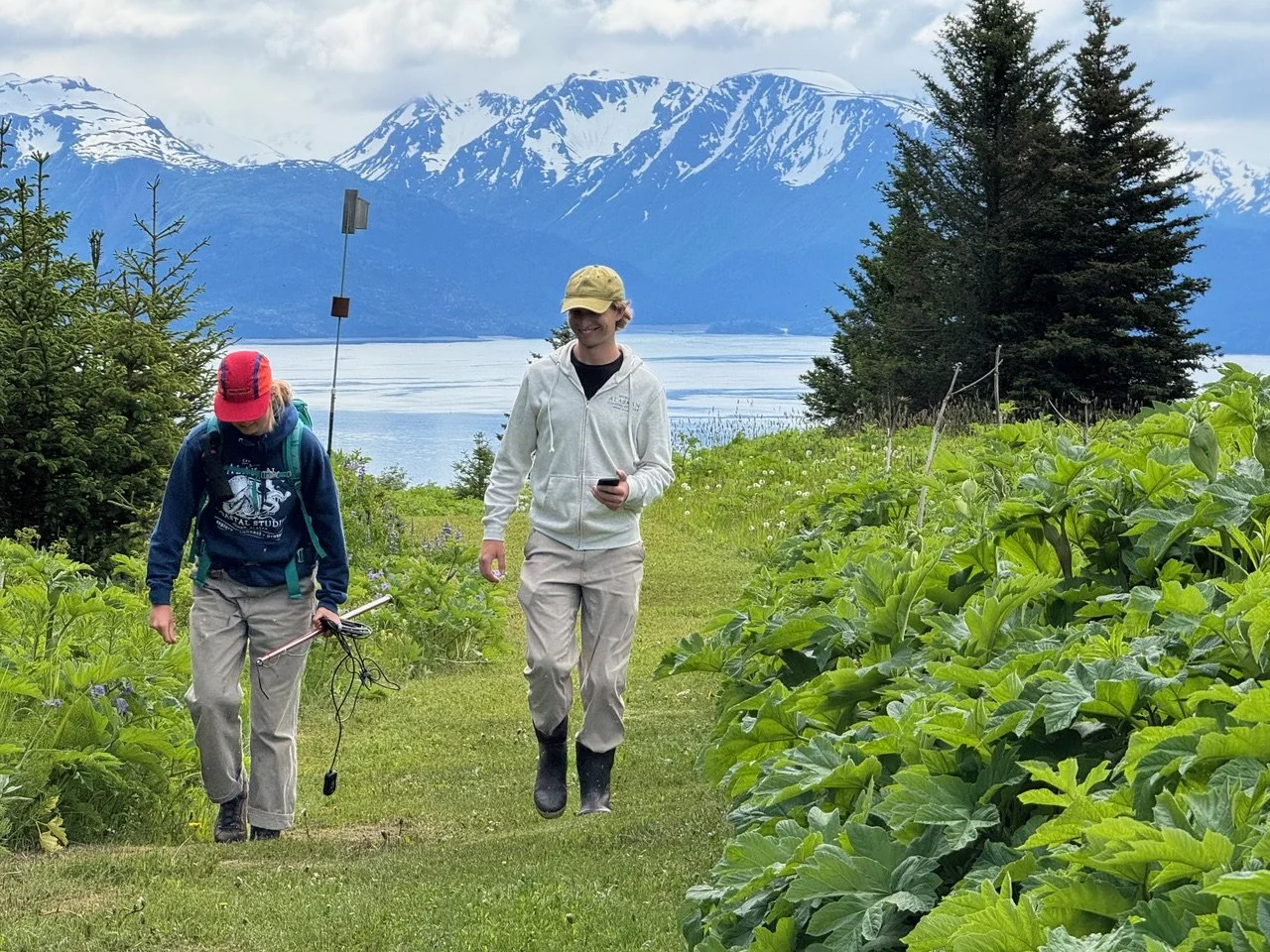
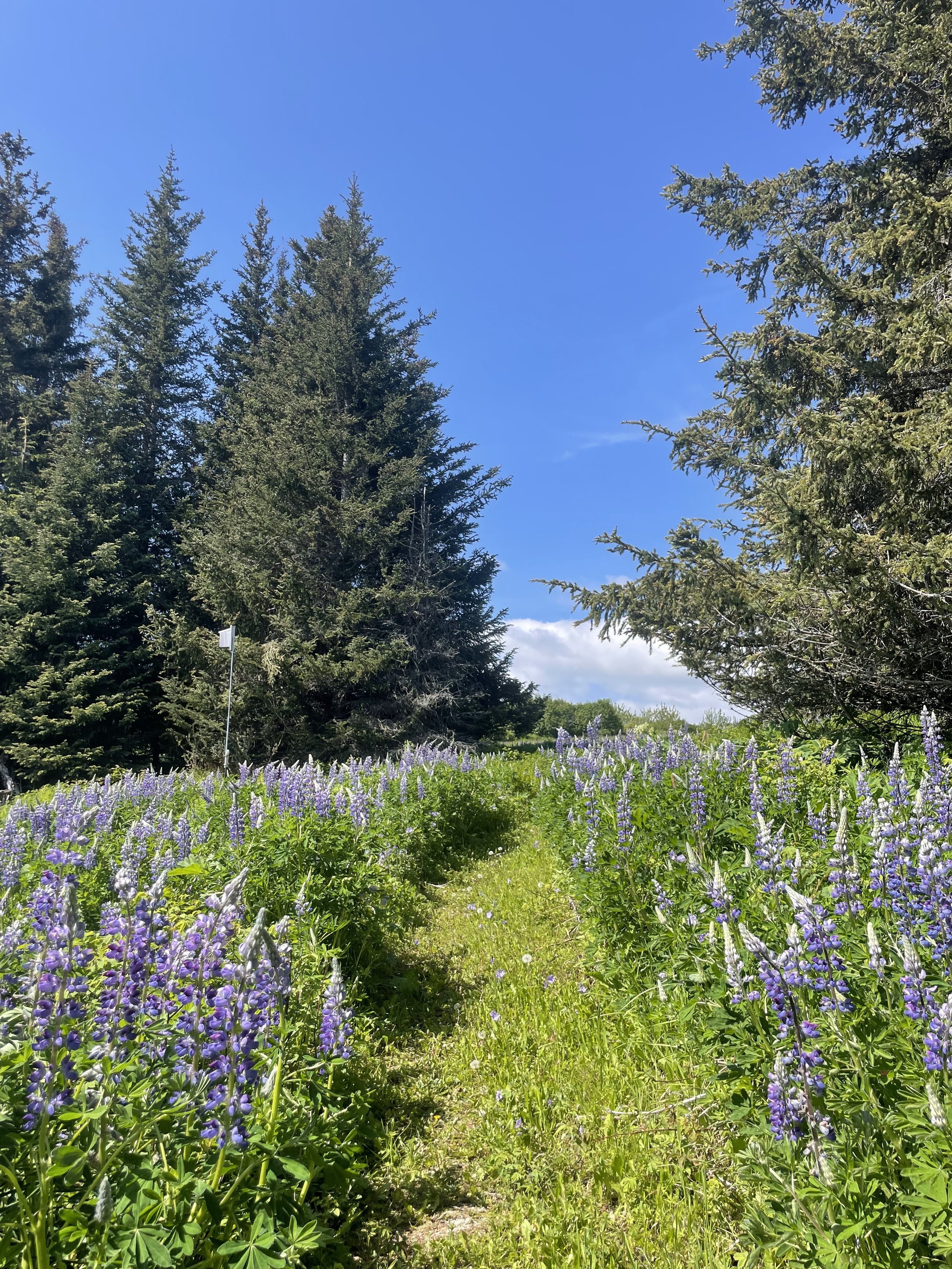
Located on the ridge overlooking Kachemak Bay, Inspiration Ridge Preserve is a 693-acre mosaic of forests, bogs, meadows, ponds, and creeks, with over 8 miles of trails. The IRP Coordinator will lead a team of two naturalists in running interpretive natural history hikes and workshops, monitoring wildlife, and performing trail maintenance. In addition to creating work schedules and providing mentorship to the naturalist team, the IRP Coordinator will coordinate regular meetings with stakeholders (i.e. the IRP Property Manager and CACS year-round staff) to ensure summer goals are met.
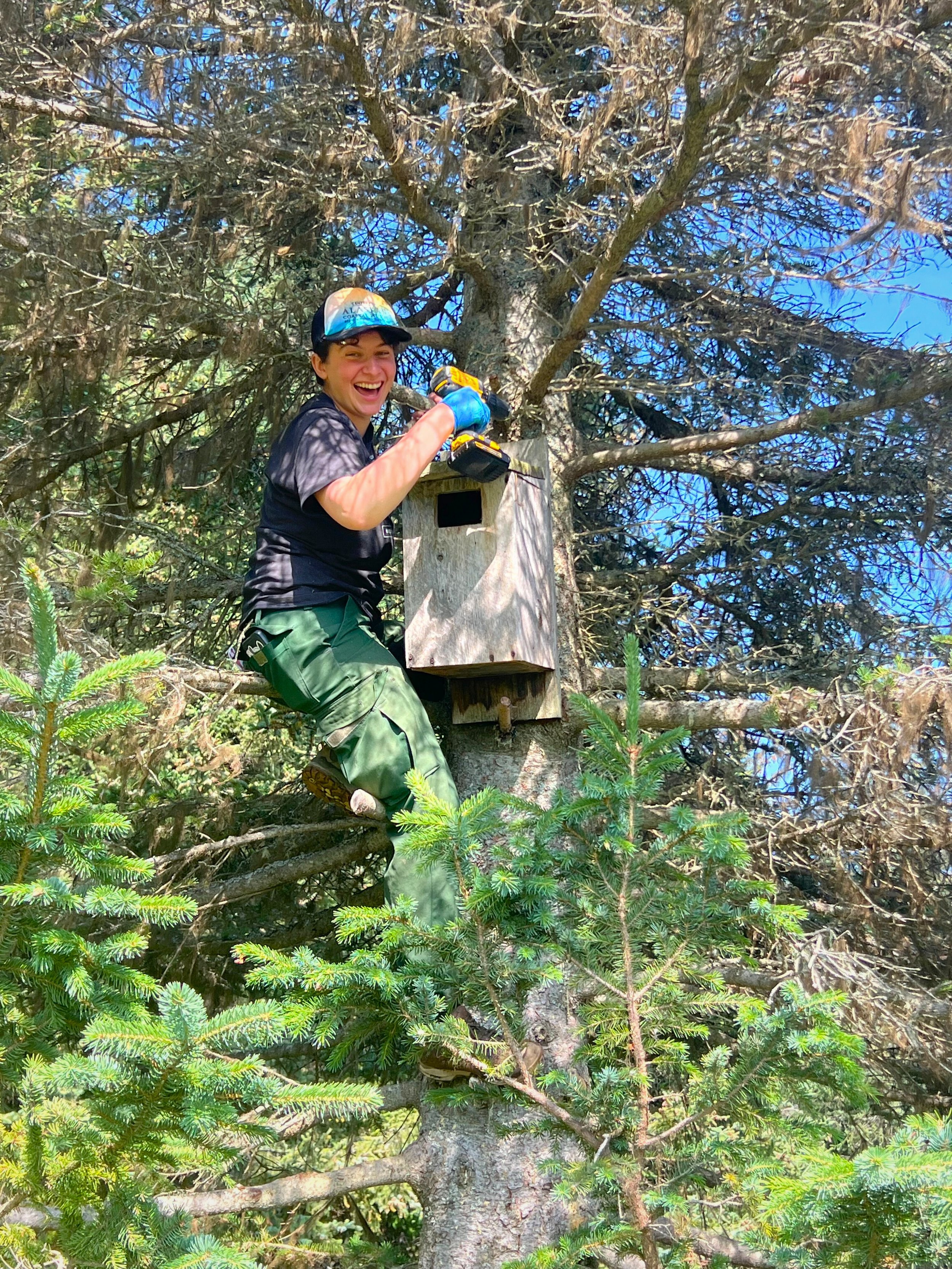
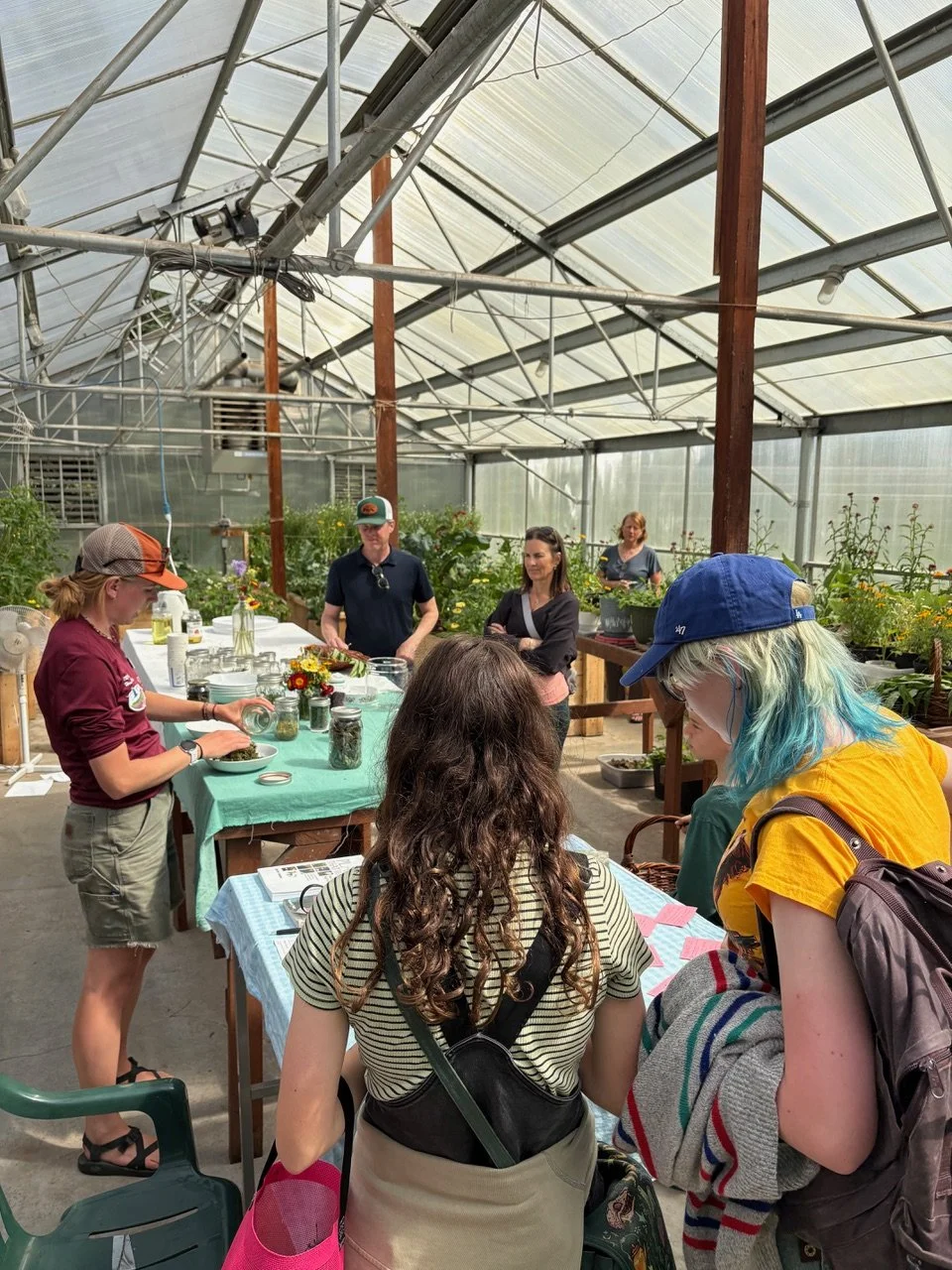
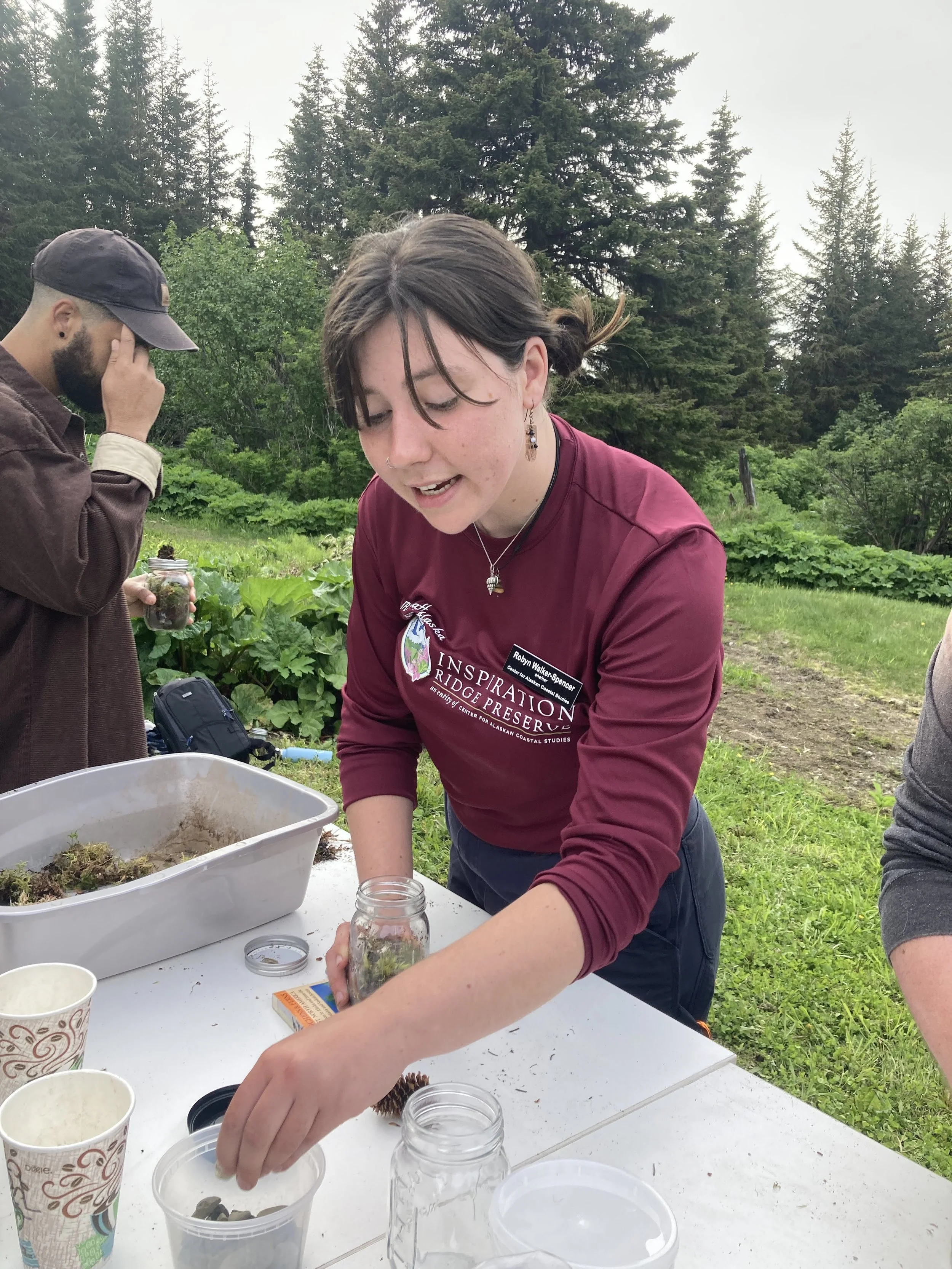
The IRP Coordinator will plan and lead interpretive natural history hikes, educational programs, and workshops for small but varied groups of visitors. They will additionally coordinate and perform routine trail maintenance, organize volunteer work parties for larger trail projects, and may lead service learning opportunities for youth groups. As a part of the position, the Coordinator will have opportunities to participate in community-based monitoring projects such as bird nesting counts and phenology studies. This person will work alongside the Stewardship Director, Wynn Coordinator, CACS Program Director, and other coordinators and naturalists to learn together about best practices in experiential, place-based interpretation and education, and gain knowledge of Alaskan ecology.
Applicants can expect to split their time fairly evenly between outdoor work (leading hikes/workshops, data collection, trail maintenance) and indoor computer work (creating schedules, sending emails, program preparation, database management, running meetings).
This position reports to the Stewardship Director.
Position runs from May 26 – September 1, 2026 (end date negotiable).
Pay is $21.00/hour with shared housing provided ($24.00/hour without housing)
Core Duties:
Create schedules, provide mentorship and feedback, and coordinate daily activities for the IRP naturalist team.
Plan and lead guided hikes, ranging from 1.5 to 3 hours, for a range of group sizes and ages.
Coordinate and conduct monitoring of wildlife and invasive species, including operating motion-triggered wildlife cameras, properly identifying plants and wildlife signs (training provided), and recording observations in databases. Design opportunities for community members to participate in monitoring.
Work closely with IRP Caretaker to coordinate and schedule trail maintenance & invasive species removal. Participate in said activities, and organize larger volunteer work parties as needed. This can involve hiking for up to 5 miles carrying weed whips and other equipment.
Develop biweekly or weekly educational workshops and activities for adults and youth.
Additional Duties:
Create and update interpretive and educational materials.
Provide photos, stories, and participant testimonials for advertising and grant reporting. Opportunity to help develop social media posts and marketing materials.
We are a staff that works as a team and adapts to our communities’ needs; therefore this position may work on additional programs and duties as mutually agreed upon.
Training & Mentorship:
Required participation in paid naturalist training at the Peterson Bay Field Station and Homer at the start of the summer, which will include training on natural sciences, interpretation, and the cultures of Kachemak Bay. Additional opportunities offered throughout the summer for paid professional development in specific areas related to your work.
Qualifications:
First Aid/CPR Certification required (preference for Wilderness First Aid/Wilderness First Responder Certification). Youth or Adult Mental Health First Aid (or willingness to obtain one) encouraged.
Experience leading small teams of educators, volunteers, or interns with patience and care. Demonstrated commitment to creating welcoming and positive work environments.
Knowledge of—or strong interest in learning more about—forest ecology, botany, wildlife habitats, and history and culture of the Homer area.
Comfort working in a semi-remote location. Physical ability to hike up to 5 miles carrying up to 30 pounds of equipment.
Experience or interest in contributing to environmental monitoring and developing community-based monitoring activities.
Ability to work in a highly collaborative environment. This includes providing and receiving feedback, and familiarity with conflict resolution.
Strong communication skills, with the ability to provide clear and concise directions, communicate complex science concepts, communicate well with diverse stakeholders, and make people feel welcome.
Willingness to learn on the job and adapt to changing circumstances (such as weather, group needs, etc.)
Excellent organizational skills, with the ability to keep track of multiple tasks and responsibilities, and prioritize as needed.
Experience or demonstrated desire to facilitate experiential, place-based, fun, and inclusive learning experiences for all ages.
Commitment to CACS’s work towards justice, equity, diversity, and inclusion in our programs. Dedication to our vision of healthy ecosystems, engaged and connected communities, and inspired environmental stewards.
Demonstrated good judgment and risk management experience in challenging backcountry settings.
We’ve left our list of desired qualifications flexible in recognition of the many forms of knowledge and experience that can exist both within and outside of typical employment or academic pathways. If you are passionate about the work and think you could do it well, please apply!








Our application form will ask for a 1-page résumé, 3 references, a 1-page cover letter describing your desire to work with Coastal Studies as an organization, and a short-answer question asking you to describe your interest in the specific position. If you have questions about our application process, please navigate back to our Employment page and explore the FAQ.
