
A Panel on Marine Debris in Alaska and Beyond
Join a panel of experts for an engaging discussion about the pervasive issue of marine debris. Explore how our understanding of debris has changed over time, how it impacts our environments, and what solutions are available. This is a free talk in partnership with the National Science Foundation's National Center for Atmospheric Research’s “Resilient Earth, Resilient Communities” exhibit currently at the Wynn Nature Center.
Panel: Dr. Steven Anderson, Henry Reiske, Dr. Philippe Amstislavski, and Dr. Veronica Padula.
Dr. Steven Anderson, Ph.D.
University of Northern Colorado
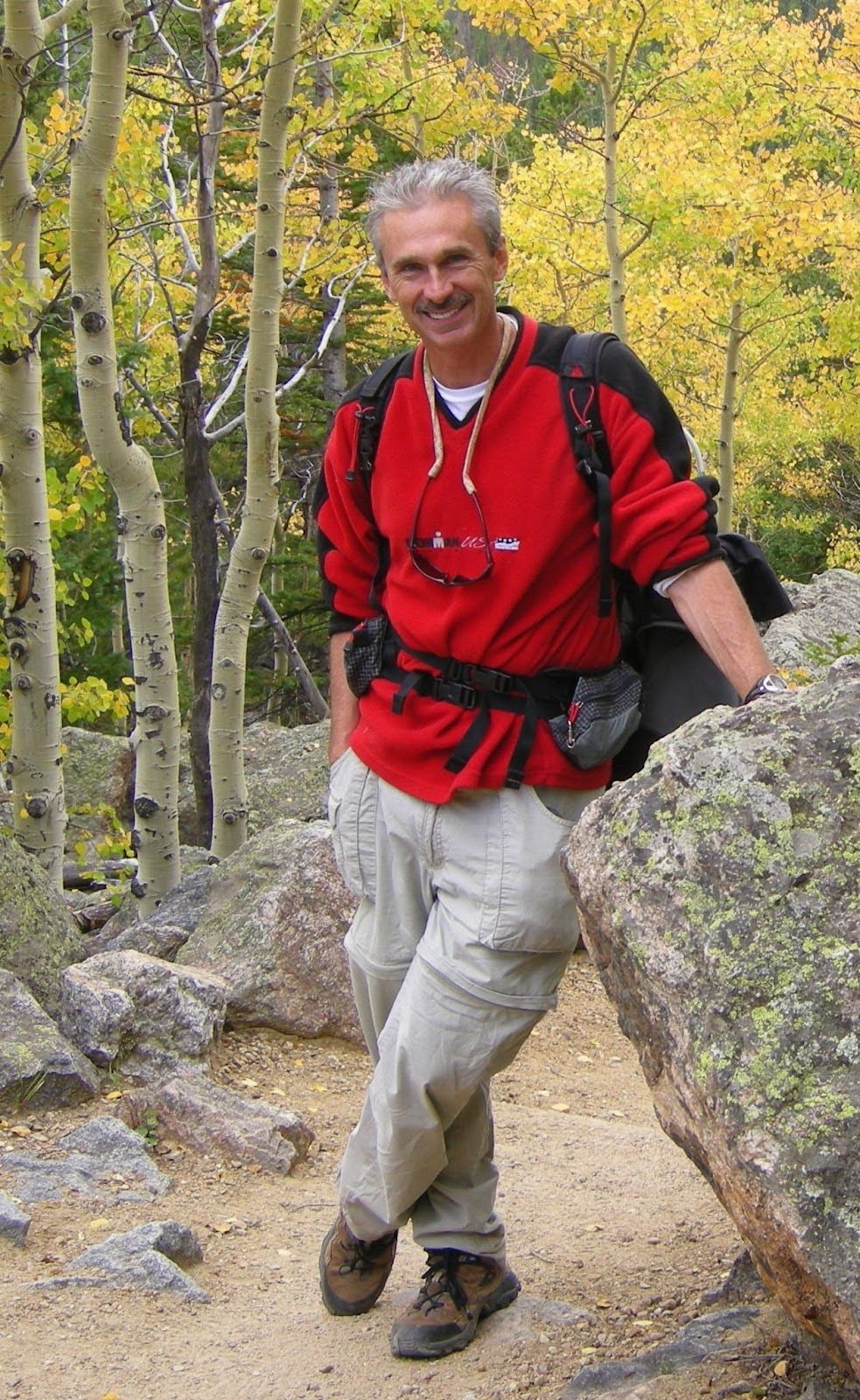
Dr. Anderson is a Geology Professor and the Winchester Distinguished Scholar at the University of Northern Colorado, who now resides in Ninilchik. He is a volcanologist and Earth Science educator, and his research focuses on how active lava flow surfaces are influenced by volcanic behavior. He has published nearly 50 peer-reviewed scientific articles and has studied active volcanoes in more than a dozen countries, including Augustine and Redoubt here in Alaska. NASA currently funds him to study the volcanoes and atmospheres of Mars and Venus, and what they can tell us about our planet. He has been interviewed by the BBC, the Discovery Channel, and the New York Times regarding his work on active volcanoes. Dr. Anderson received several awards as an educator, including the EPA’s Outstanding Achievement Award for Environmental Education, and will be teaching for the Semester at Sea program for the third time in 2026.

Henry Reiske
Stewardship Coordinator for the Center for Alaskan Coastal Studies
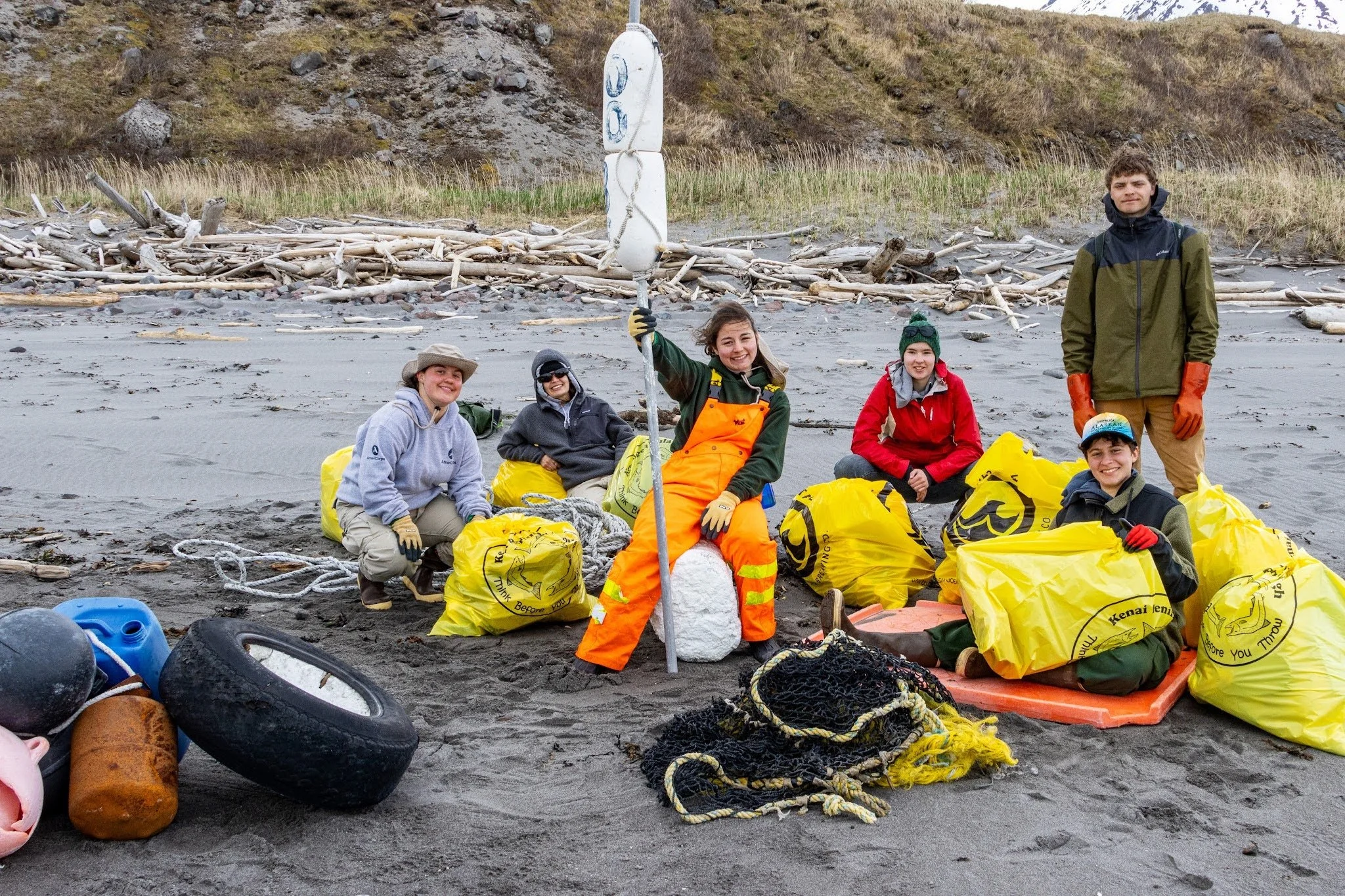
As the Stewardship Coordinator and an educator with the Center for Alaskan Coastal Studies, Henry provides real-world experiential opportunities and powerful messaging that inspires students and community members to become observant, conscientious individuals and stewards of the environment.
In this position, his major responsibilities include running our annual CoastWalk and marine debris program, as well as developing and delivering marine debris education. He also manages our internship program, which includes marine debris, college, and high school interns. He has overseen three community member-based marine debris cleanups on the remote Augustine Island, removing over 8,000 pounds of debris. Additionally, he successfully implemented distance education for teacher workshops and marine debris education with classes. He ran the NOAA-sponsored Zero Waste Schools, and What’s (S.U.P.)? Marine debris and plastic reduction programs led to 588 students participating in intensive marine debris education. They resulted in the elimination of hundreds of thousands of pieces of single-use plastic through student projects.
Henry served as the Ocean Conservancy International Coastal Cleanup partner in Alaska, running ICC cleanups for 7 years, and represented the U.S. Arctic at the Oslo, Norway regional coordinators conference to discuss a coordinated international Arctic cleanup effort.
Dr. Philippe Amstislavski, Ph.D
University of Alaska Anchorage
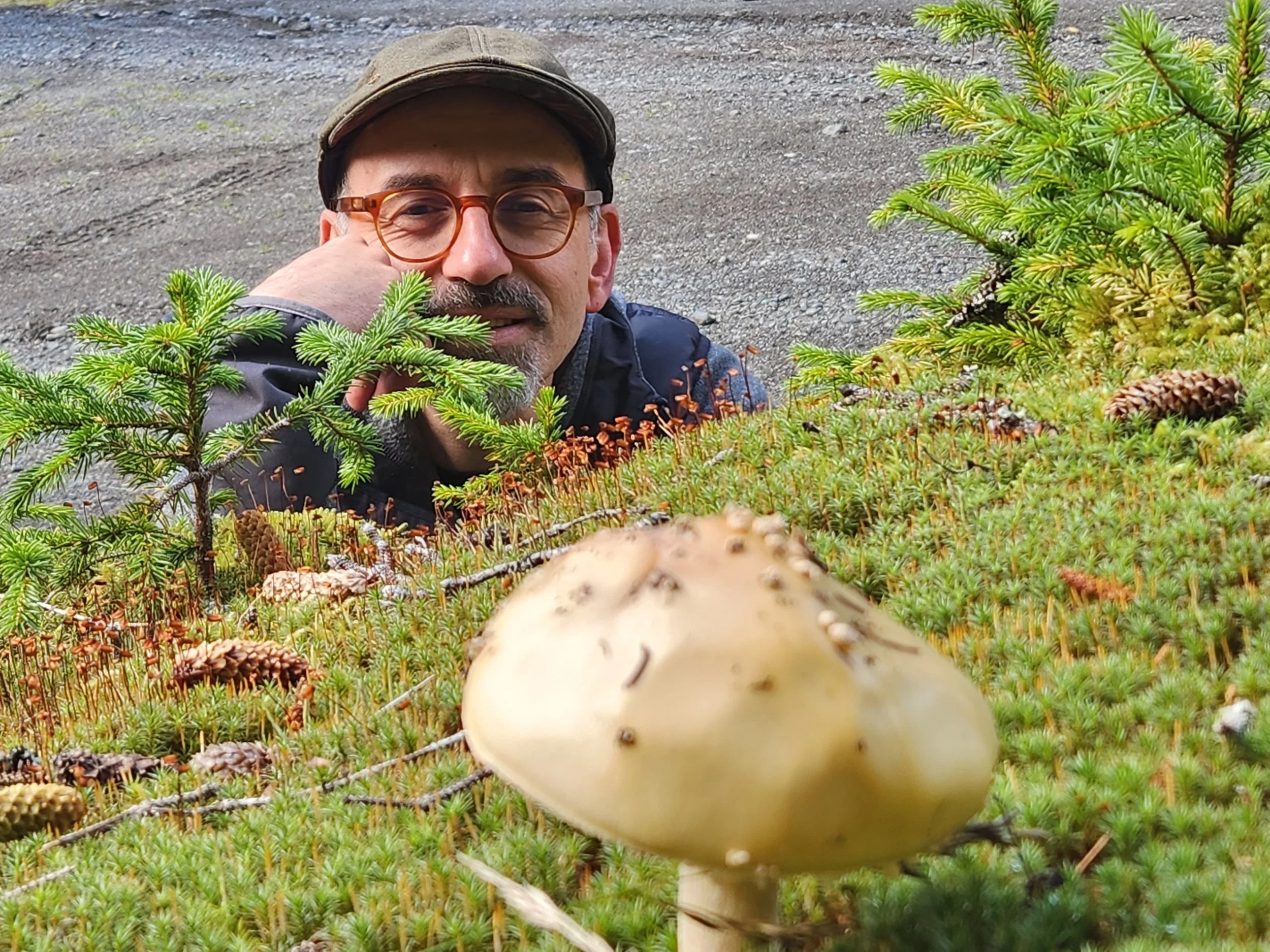
Dr. Amstislavski's work centers on the nexus of Circumpolar public and environmental health. He teaches environmental health, statistics and GIS/spatial analysis courses within the MPH Program. He also researches and develops biotechnologies to reduce our environmental footprint in high-latitude regions. His innovation in biomaterials is at the core of the Biomaterials Lab at UAA. He earned a PhD from the Earth and Environmental Sciences at City University of New York and his master’s degree from Yale School of Forestry and Environmental Studies.
Dr. Veronica Padula, Ph.D
Bering Sea Research Institute Chief Science Officer
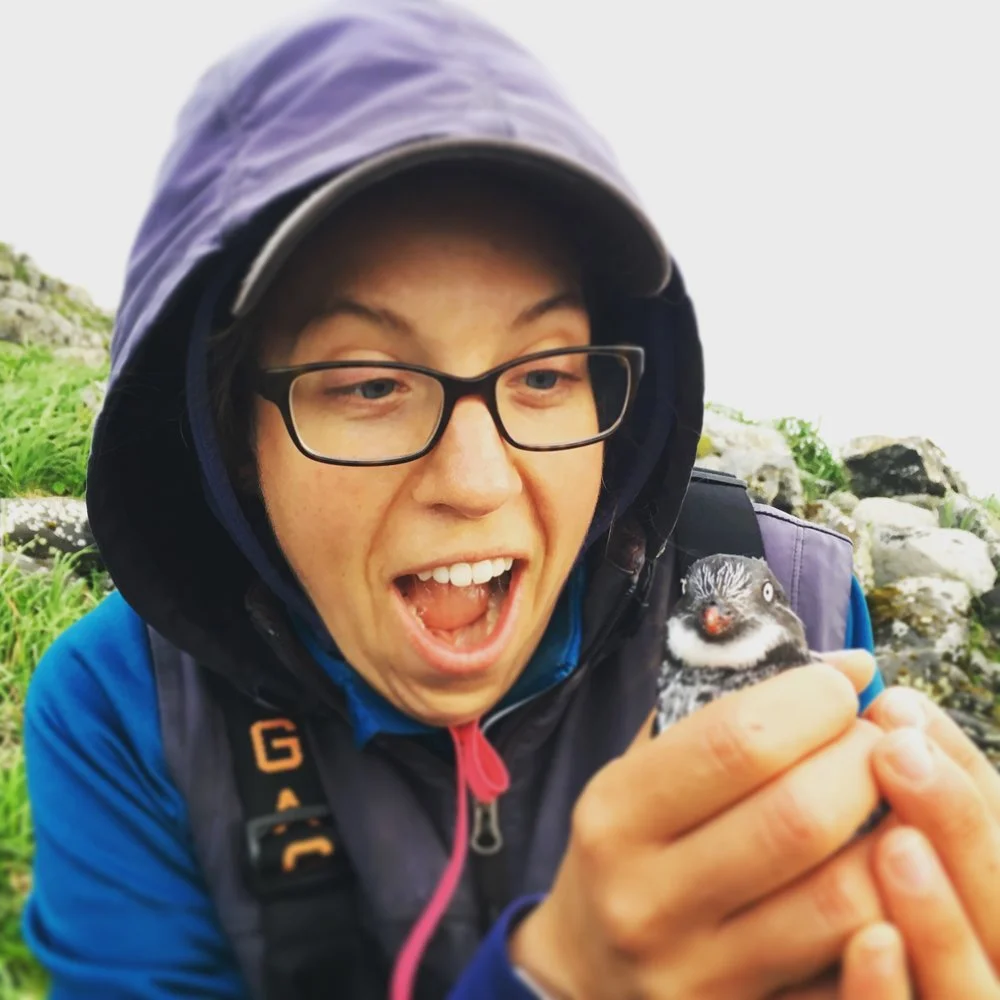
Dr. Padula is the Chief Science Officer of the Bering Sea Research Center, run through the Aleut Community of St. Paul Island Tribal Government, in Alaska. As Chief Science Officer, she is responsible for supporting community and tribally-led research in the Bering Sea Region, especially research that tackles issues such as climate and environmental change, food security and pollution. Veronica’s research specifically focuses on seabird habitat use and the impacts of pollution on seabird populations in the Bering Sea. She hopes that through the research done in the region, communities will have the data available to be empowered to push for policy and management changes that will protect and conserve the marine ecosystem in the Bering Sea.

The Wynn Nature Center is hosting a traveling earth science exhibit from the National Science Foundation's National Center for Atmospheric Research (NSF NCAR). Learn how, through careful environmental observation, we gather vital information that helps us prepare for the future and build stronger, more resilient communities. The exhibit will be a combination of informational panels and interactive elements displayed in the Carl E. Wynn Visitor Center. The exhibit will be on display from July 12th through August 30th, when it will get packed up and sent to its next stop on the tour of Alaska! Come interact with the exhibit and explore how communities and scientists alike contribute to a wealth of knowledge about our planet.